Agenda

Tuesday, September 1

Join us for Chicago’s classic architecture boat tour aboard the city’s top fleet! Learn about the iconic skyscrapers, the masterminds behind them, and how Chicago grew into a world-class city

Wednesday, September 2

Start your day with a quiet moment at Cindy’s situated atop the 13th floor of the Chicago Athletic Association with sweeping views of Millennium Park and Lake Michigan

Speaker

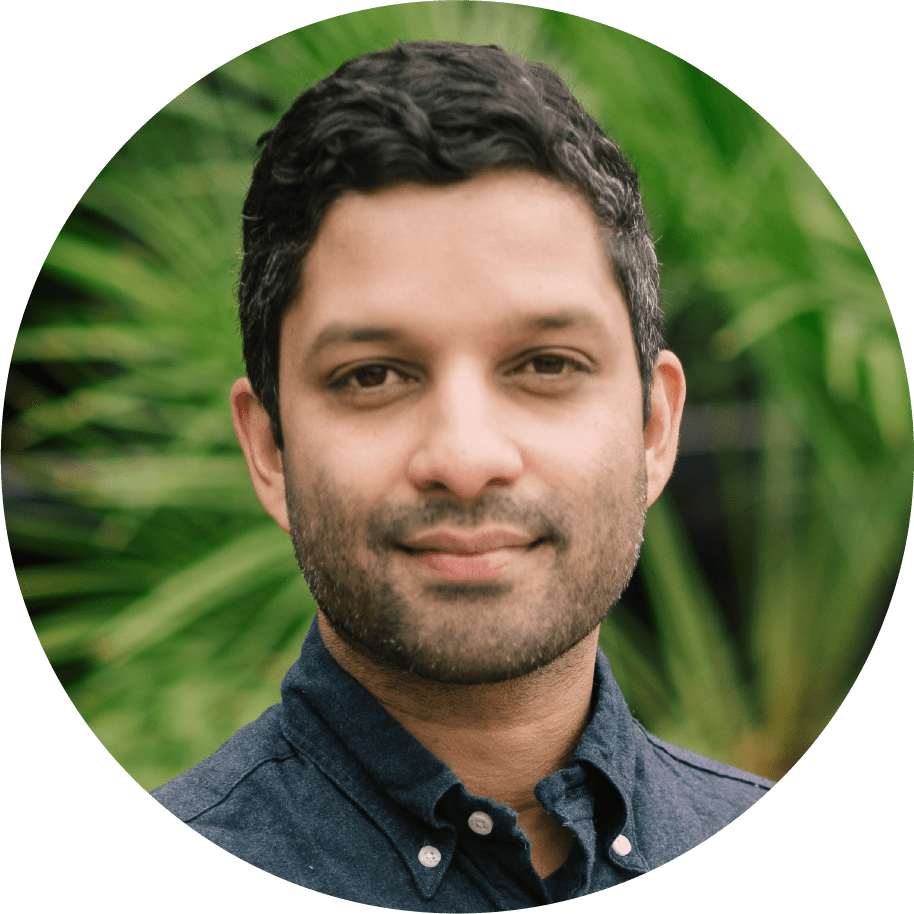
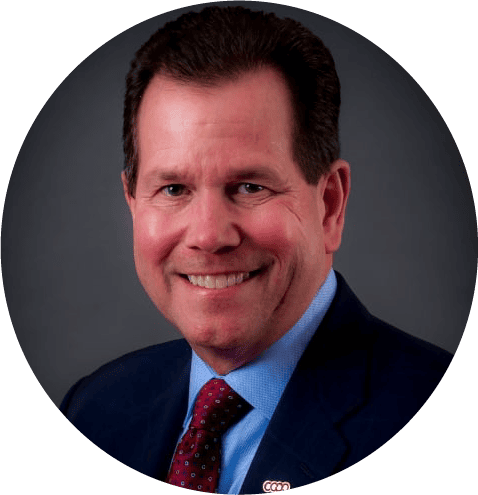
Evan Edwards headshot

Evan Edwards

CEO
Project Equity

A message from our keynote speaker

Keynote

Felipe Witchger

Executive Director
Francesco Collaborative

Join us in conversation with entrepreneurs that made the choice to sell the business to their employees using a broad based employee ownership model. We will explore what succession pathways they explored, how they learned about employee ownership, why they chose the model they did, and how they feel about it in retrospect.

We will be joined by owners who have each chosen a different model – worker cooperative, Employee Ownership Trust, and ESOP. Josh Heatherington of Chicago Center for Relationship Counseling sold this practice to a worker cooperative in 2025. Laura Anderson of Local Ocean Seafoods to an Employee Ownership Trust in 2022. Neil Brozan of Ventura Trust sold the business to an ESOP in 2025 as well.

Panelists

Laura Anderson

Founder
Local Ocean Seafoods
Neil Brozan

Co-Founder and President
Ventura Trust
Josh Hetherington

President and Family Therapist
Chicago Center for Relationship Counseling
Stacey Smith

Moderator
Senior Vice President, Head of Programs
Project Equity

EO for Wealth Building and Economic Equity

Employee ownership (EO) is gaining momentum as a powerful strategy for building worker wealth and advancing economic equity, particularly urgent as communities across the country grapple with growing inequality and an affordability crisis. This session brings together leaders from corporate and institutional partners, foundations and philanthropic organizations, policy and research institutions, and economic development agencies to explore how EO can serve as a concrete lever for shared prosperity.

Panelists will share how their organizations have used or witnessed EO in action to advance wealth-building and equity goals, surfacing the strategies that have proven most effective in specific communities. The conversation will examine what has worked, what hasn’t, and where the field’s greatest opportunities lie for scaling EO’s impact nationally.

Discussion will address questions including: How does EO show up in the work of building greater equity amid rising inequality? Which strategies have been most effective in building wealth for low and middle income workers? Where are the most promising opportunities to expand awareness and adoption of EO? And, as a historic wave of small business ownership transitions approaches, what’s needed to ensure it becomes a genuine wealth building opportunity, one that preserves jobs and strengthens local economies?

Attendees will leave with a clearer picture of EO’s role in the economic equity landscape and concrete ideas for advancing this work in their own sectors and communities.

Panelists

Kim Addie

Vice President of Strategy & Impact
Kindred Futures
Marc Bayard

Senior Advisor to the International Comparative Labor Studies program
Morehouse College
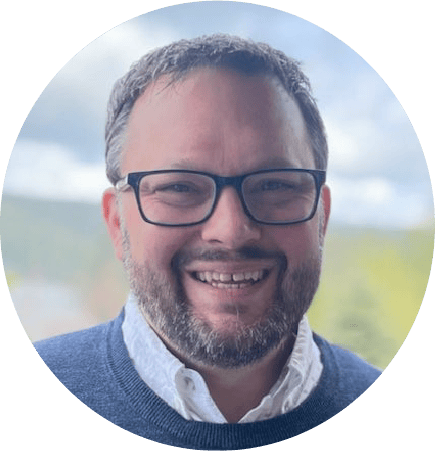
Matt Helmer

Moderator
Director of Job Quality and Worker Well-Being
The Aspen Institute Economic Opportunities Program
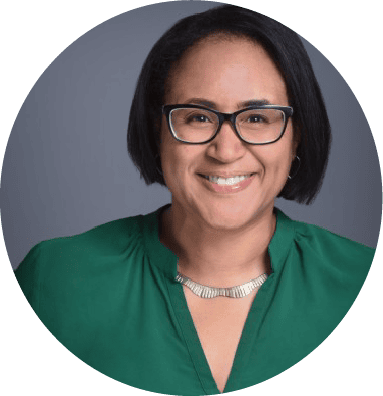
Tia Hodges

President and CEO
MetLife Foundation
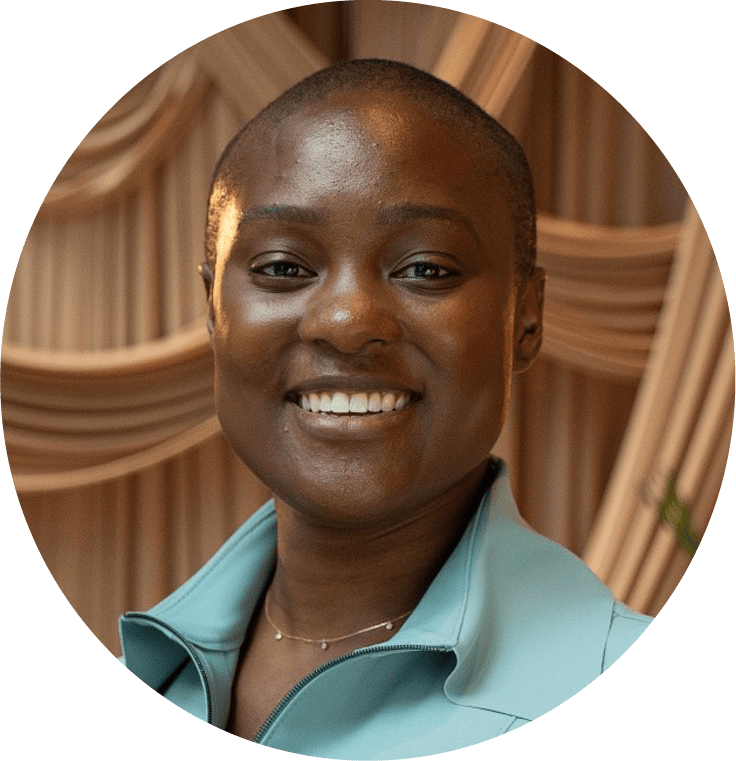
Nneka Onwuzurike

Founder and Executive Director
The Community WEB
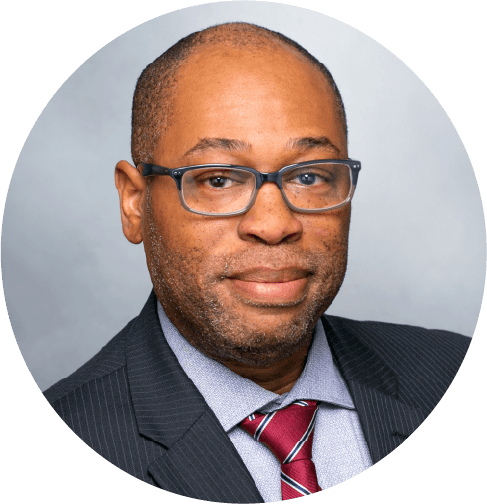
Tommy Smith

Senior Manager of Economic Impact Strategy & Impact Spending
Kaiser Permanente
Awareness: Driving Normalization and Scale

Employee ownership has the power to strengthen businesses and create more resilient local economies, but one of the greatest barriers to scale remains awareness. This session will explore national and local strategies that are successfully raising awareness and helping employee ownership become a mainstream business succession and economic development strategy.

Participants will hear from panelists that represent national and local organization and gain practical insight into how these organizations are engaging key audiences, leveraging parentships, and building networks to increase visibility and drive adoption of EO.

Panelists

Gwyneth Galbraith

Moderator
Vice President and Philanthropy Program Officer
JPMorganChase
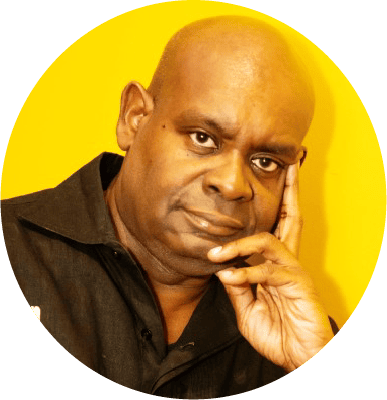
Sequane Lawrence

President and CEO
Revolution Institute
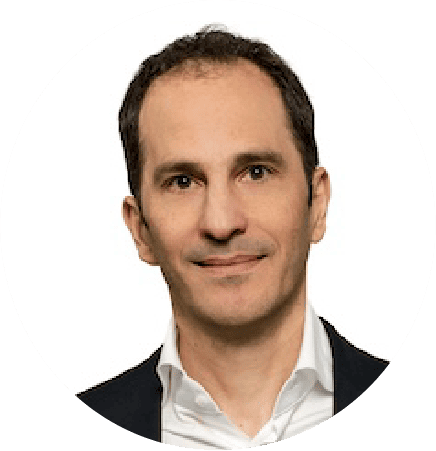
Daniel Massey

Head of Strategy and Communications
Expanding ESOPs
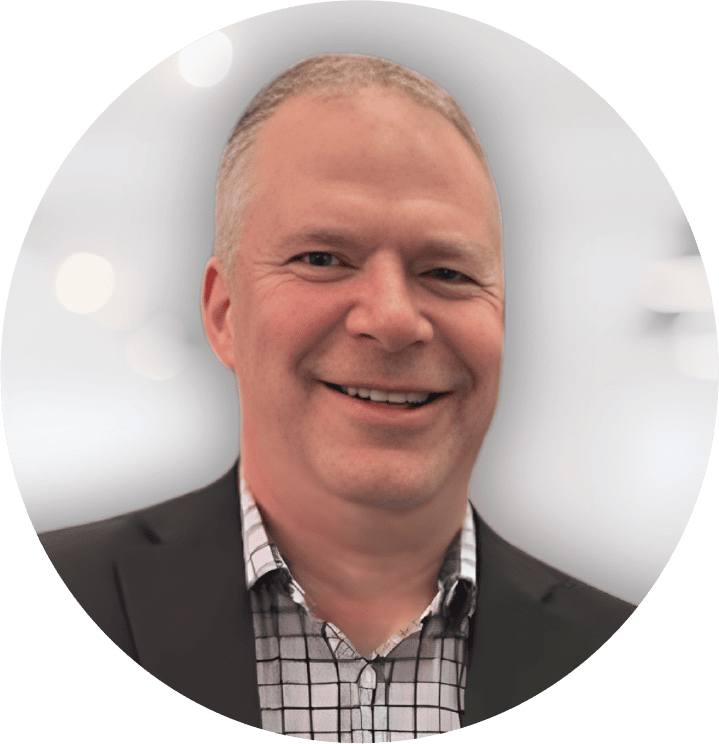
Steve Storkan

Executive Director
Employee Ownership Expansion Network

Unlocking Value for Clients

In the past, many business advisors were not aware of employee ownership as a possible path for businesses for succession, business growth, or owner diversification of assets. As such employee ownership was not brought forward to owners.

We have assembled advisors across a range of institutional and boutique advisories – each are leaning into using EO in their practice.

In the session we will explore 1) why each advisor has come to EO to create value for their clients, 2) how they are integrating it into their client engagements, 3) how it is adding value to their practice, and 4) what they are learning.

Panelists

Haydee "I They" Caldero

Moderator
Vice President
GreatBanc Trust Company

Jim Hilderbrandt

Executive Director and Wealth Manager
J.P. Morgan Wealth Management

David Knight

Co-Founder and CEO
Knight Partners LLC

Shanda McFadden

Assistant Vice President, Senior Financial Advisor
Merrill Advisors

Newman Rochester

Vice President, Strategic Relationship Management
Prudential Individual Life Insurance

Innovation in EO Forms

We define employee ownership as all employees having access to an ownership stake in the business. We have three distinct forms of EO including ESOP, worker cooperative and Employee Ownership Trust (EOT) to achieve this outcome. Each of these forms enables both partial ownership as well as full succession for the selling owner.

In this session we will look beyond these forms to other paths to shared ownership.

Many EOT’s are formed using a Perpetual Purpose Trust. This trust form can support broader shared ownership objectives such as mission preservation, environmental stewardship, community and value chain benefits, etc. In some cases this may also include employees.

We are also seeing new forms of business ownership emerging to enable small and lower middle market businesses to achieve sharing of equity, profits or future sale proceeds with employees. This may include regular profit sharing as well as sharing in future sale proceeds. These forms also include ownership culture and employee voice attributes.

Panelists

Issie Corvan

Director of Programs and Operations
Purpose Trust Ownership Network

Julie Ryan

Co-Founder and Managing Partner
ImpactGC

Stacey Smith

Moderator
Senior Vice President, Head of Programs
Project Equity

Innovation in EO Education & Activation

Employee ownership is gaining momentum, but awareness alone doesn’t create adoption. This session explores how advisors move from understanding employee ownership to confidently bringing it into client conversations—and how education, advisor engagement, and technology can help bridge that gap. Hear perspectives from Project Equity, Prudential, and Zolidar on building advisor capability and turning EO knowledge into action.

Panelists

Portia Fields

Vice President, Blueprints to Black Wealth
Prudential

Sonali Kothari

Co-Founder
Zolidar

Zarin Kresge

Associate Director, Learning Programs
Project Equity

Innovation in Capital

The ecosystem of capital providers for employee ownership transitions is growing and maturing, and new players are finding niches and filling gaps. This session will be moderated by Ownership Capital Lab founder and CEO Alison Lingane, who will set the stage with an overview of the capital landscape for employee ownership and will lead a discussion with three capital providers focusing on different entity types (ESOPS, Coops, EOTs) and sizes. Panelists from JPMorgan Chase, Apis & Heritage, and Project Equity will describe the different parts of the market that they serve, ranging from large to small, and discuss the evolving capital ecosystem.

Panelists

Emmy Allison

Strategic Partnerships
Apis & Heritage Capital Partners

Regina Carls

Managing Director and Head of ESOP Advisory Group
JPMorgan Chase

David Kenney

Employee Ownership Catalyst Fund Manager
Project Equity

Alison Lingane

Moderator
Founder and CEO
Ownership Capital Lab

Levers for Scale: Public Policy

Public policy has emerged as one of the most powerful levers for moving EO into the economic mainstream. From state-funded technical assistance and grant programs to bold proposals for directing public investment to deepen capital access, policymakers are developing a growing toolkit of incentives and supports for advancing EO at all levels of government. This session explores distinct but complementary models of policy-driven EO support, the gaps they’re designed to fill, and what it will take to build the bipartisan political will to move EO policy forward.

Panelists

Will Guzzardi

State Representative
Illinois

Kevin Kuros

Interim Director
Massachusetts Center for Employee Ownership

Julien Rosenbloom

Moderator
Senior Associate
Lafayette Square Institute

Adam Schuster

Executive Director
Illinois Center for Employee Ownership

Levers for Scale: Higher Ed

Colleges and universities can be powerful levers for scaling employee ownership. This panel brings together leaders from DePaul University, the University of Michigan, Kent State, and Morgan State University to explore how higher education is bringing employee ownership into the classroom, entrepreneurship programs, research, and local business ecosystems—and how these efforts are preparing the next generation of entrepreneurs, advisors, and business leaders to think differently about ownership, careers, and wealth creation.

Panelists

Robert Gross

Finance Instructor
DePaul University

Cat Johnson

Managing Director of Business+Impact
Michigan Ross

Michael Palmieri

Project Coordinator
Ohio Employee Ownership Center at Kent State University

Joseph Wells

Director of Master's Programs
Earl G. Graves School of Business at Morgan State University

Anatomy of a Transition

What does it actually take to transition a business to employee ownership? This session dissects the nuts and bolts of an Employee Ownership transition, drawing on Project Equity’s proven, end-to-end approach to helping business owners engage their employees, sell their business, and preserve their legacy.

Led by a Project Equity Client Services Manager, attendees will get a clear, technical walkthrough of each phase of the process including evaluating feasibility, executing a custom transition plan, securing capital and preparing employees for successful ownership. We’ll dive into the data analysis, owner consultation, and due diligence that underpin every successful transition, highlighting capital considerations throughout.

The session will also cover the three primary forms of employee ownership: Employee Stock Ownership Plans (ESOPs), Worker Cooperatives, and Employee Ownership Trusts (EOTs) and how each shapes the transition path. Whether you’re new to employee ownership or deepening your expertise, you’ll leave with a sharper understanding of how all the pieces come together.

Panelist

Laura Flores

Senior Client Services Manager
Project Equity

For a chance to experience the city’s cuisine, join Project Equity staff and choose from several smaller table reservations we’ve made at restaurants around Chicago

Thursday, September 3

Start your day with a quiet moment at Cindy’s situated atop the 13th floor of the Chicago Athletic Association with sweeping views of Millennium Park and Lake Michigan

In this session, attendees will explore how partners across the Greater Washington region are working together to build a stronger, more coordinated employee ownership ecosystem.

You’ll hear from members of the Greater Washington Employee Ownership Working Group about how they’re moving from individual efforts toward a cross-sector regional ecosystem strategy. Panelists will share the roles their organizations play, what they are learning through collaboration, and how different sectors contribute distinct resources, relationships, expertise, and influence to advance employee ownership.

Whether you are developing an employee ownership ecosystem from the ground up or looking to strengthen an existing network, this session will offer a practical look at how regional coordination can turn a collection of individual organizations and initiatives into a more connected strategy for growing employee ownership.

Panelists

Samuel Brownell

Founder and CEO
Stratus Business Advisors

Jennifer Bryant

Moderator
Senior Manager, Ecosystem Development
Project Equity

Anand Dholakia

Program Director
The J. Willard and Alice S. Marriott Foundation

Paul Hazen

Executive Director
U.S. Overseas Cooperative Development Council

Valerie Salazar

Co-Director
Impact Silver Spring

Younger generations seek more than just a paycheck; they desire purpose, a sense of belonging, and a voice. The organizations most likely to succeed in this new landscape are those that deliberately cultivate strong ownership cultures, engaging employees across all ages and levels.

In this engaging session, we will examine the key components of an ownership culture and strategies to instill them in an employee-owned company. Our panel, consisting of employee owners, will provide honest insights into their paths to fostering ownership cultures that inform, motivate, and enhance employees’ sense of responsibility for their organizations. They will openly share their achievements as well as the challenges and mistakes encountered along the journey of ownership.

Panelists

David Gray

David Gray

Moderator
Director, Client Services
Project Equity

Mark Koenig

Chief Financial Officer
Bluedog Design

Melissa Larmon

Director of Operations and Therapist
Chicago Center for Relationship Counseling

Chelsea Porter

Quality Assurance Manager
Hummingbird Wholesale

Krystal Thompson

Senior Software Solutions Advisor
Advisors for Change

Be part of a defining moment for EO as you and your fellow attendees discuss what you’ve learned and what you’re excited to see and do next

Closing lunch and remarks for Summit attendees

Lunch discussion specifically for business advisor attendees

ExitPro 101

1.0 CFP Board CE | 1.0 NASBA CPE

This foundational session introduces small business advisors to the ExitPro framework — a structured, advisor-led methodology for guiding business owners through the exit planning and ownership transition process. ExitPro 101 equips participants with the language, tools, and conceptual model needed to open meaningful conversations with clients about succession, liquidity, and legacy.

The session explores how employee ownership fits within a broader exit planning toolkit and how advisors can position themselves as trusted guides in the transition journey. Participants gain a working knowledge of the ExitPro process and leave prepared to apply it immediately in their advisory practices. Upon completion of the session participants will be able to:

  • Recognize the features, benefits, advantages, and limitations of each type of broad-based employee ownership types including employee stock ownership plans (ESOPs), worker cooperatives or employee ownership trusts (EOTs)
  • Select the most appropriate form of broad-based employee ownership for each small business owner client considering their retirement, exit or succession goals
  • Identify the small business advisor specialist role types and timelines required to facilitate an employee ownership transition for their small business owner clients

Faculty

Zarin Kresge

Associate Director, Learning Programs
Project Equity

Abran Villegas

Managing Director
Lazear Capital Partners

Employee Ownership ROI and Case Studies

1.0 CFP Board CE | 1.0 NASBA CPE

In this session, small business advisors will gain the necessary expertise to effectively support client employee ownership implementation. Participants will explore key topics such as the fundamental principles of employee ownership, strategies for successful implementation, post-implementation support, and analyzing return on investment (ROI) through case studies. Learning objectives include understanding the basics of employee ownership, developing tailored implementation plans, providing ongoing support to ensure sustainability, and evaluating the financial impact through real-world ROI examples.

By the end of this course, advisors will be equipped with the knowledge and tools needed to guide small businesses through the transition to employee ownership successfully. Upon successful completion of the session, participants will be able to:

  • Understand the core principles of employee ownership
  • Develop and implement employee ownership transition strategies
  • Evaluate the financial impact using ROI analysis
  • Provide ongoing support and sustain employee engagement

Faculty

Sam Brownell

Founder and CEO
Stratus Business Advisors

David Gray

David Gray

Director, Client Services
Project Equity

Search
Search
Evan Edwards headshot

Evan Edwards

CEO
Project Equity

Evan began his career as the International Business Development Manager at an early leading technology start-up, Quarterdeck Corporation. Bitten by the start-up bug, he spent following years in leadership and consulting roles at a variety of early stage enterprises including Bid.com (Northcore Technologies), Mediaseek Technology, InAuth Mobile Security and Planesia Corp.

Guided by a shift in personal and professional priorities Evan moved into the non-profit sector. Driven by the value of social enterprises and the vision of a generative economy, Evan’s work with Project Equity creates strong collaborative partnerships across sectors. Evan is a graduate of Northwestern University in Evanston, Illinois.

Felipe Witchger

Executive Director
Francesco Collaborative

Felipe Witchger bridges institutional finance and impact capital markets, organizing communities of investors representing over $134 billion in assets. His experience advising Fortune 100 energy companies and operating successful businesses informs how he creates pathways for investments that build community wealth.

His keynote will explore the growing role employee ownership can play in the future of impact investing and why investors, advisors, policymakers, and business leaders all have a stake in expanding broad-based ownership.

Lauren Anderson

Founder
Local Ocean Seafoods

Laura Anderson comes from a multigenerational commercial fishing family and is the founder of Local Ocean Seafoods, a dock-to-table restaurant and seafood market in Newport, Oregon, now proudly employee-owned. She later developed Yaquina Lab, a seafood hub providing critical infrastructure for local food producers, and co-founded the Central Coast Food Web.

Through her work with the Oregon Ocean Cluster, Laura is helping advance the 100% Fish movement, transforming seafood processing sidestreams into valuable products and new revenue streams that support resilient fishing businesses and living-wage jobs.

Laura serves on the boards of Local Ocean Seafoods, the Central Coast Food Web, the Oregon Ocean Science Trust, The Nature Conservancy of Oregon, and Oregon Public Broadcasting.

Neil Brozen

Co-Founder and President
Ventura Trust

Neil co-founded Ventura in July of 2016 after providing ESOP trustee services for two institutional trustees for 11 years. He has been responsible for >500 ESOP transactions, is a nationally recognized speaker and writer on various ESOP issues. He is known for solving problems, not creating them.

Neil is extremely passionate about EO, has been a member of TEA, NCEO for 20 years and served on their Boards. He is a member of the ESCA Advisory Board.

Neil joined the EOX Board in 2019 and recently received one of their inaugural EOXcellence Awards.

Neil lives in Minneapolis with his wife, and their adorable dogs. He loves to spend time with his granddaughter, play golf and travel.

Josh S. Hetherington

President and Family Therapist
Chicago Center for Relationship Counseling

Stacey Smith

Senior Vice President, Head of Programs
Project Equity

Stacey has spent most of her career helping businesses examine their impact and aligning it with their values. She started as a CPA with Arthur Andersen, then moved into strategy and organizational development. Seeking to devote her financial expertise to social and environmental issues, she was an early mover in the field of sustainability and corporate responsibility in the US. She joined Business for Social Responsibility in 2001 to build their business consulting practice and spent the next decade guiding Fortune 500 companies to address their negative impacts. Recently, Stacey began consulting to nonprofits and foundations to strengthen their strategy, management, and governance practices. Through her work with the Public Equity Group and her own independent practice, she explored the structural barriers to wealth and other drivers of generational poverty. At Project Equity she is helping grow our team of professionals to accelerate the adoption of employee ownership as a key to building wealth and high-quality careers in communities. In addition to having been a licensed CPA, Stacey has a degree in Business Administration from the University of Vermont and has done coursework in International Business Studies at the University of Copenhagen. When she is not working, you can find her hiking the Bay Area hills, indulging in the restaurant scene, and playing with her family.

Kim Addie

Vice President of Strategy & Impact
Kindred Futures

Kim Addie is a dynamic, results-driven leader and Vice President of Strategy and Impact at Kindred Futures, an organization dedicated to activating shared prosperity for Black communities through impactful solutions, movement building, and catalytic capital.

With deep experience at the intersection of capital, community wealth building, and economic development, Kim has guided more than $26 million in public-private partnerships and managed diverse investment portfolios. Her work has included leading the development of a $3.3 million racial equity fund designed to support grassroots organizations and invest in movement-building infrastructure.

At Kindred Futures, Kim leads the design and implementation of strategies that expand access to capital, advance shared and employee ownership, and strengthen the ecosystems needed for Black businesses and communities to build and retain wealth. Her work brings together community partners, business-support organizations, financial institutions, philanthropy, and other stakeholders to develop practical pathways to ownership and economic mobility across the South.

Grounded in community engagement and a commitment to economic justice, Kim is focused on moving from ideas to action, building partnerships, mobilizing capital, and developing solutions that create more equitable and sustainable economic futures.

Marc Bayard

Principal
MBD Strategies

Matt Helmer

Director of Job Quality and Worker Well-Being
The Aspen Institute Economic Opportunities Program

Matt Helmer is director of job quality and worker well-being at the Aspen Institute Economic Opportunities Program. Matt’s work focuses on developing conversations, research, tools and leaders to help advance good jobs and economic security for working people.

Matt helps lead EOP’s work on employee ownership including the Employee Ownership Ideas Forum. He also curates and manages public conversations through the Opportunity in America and Job Quality in Practice series, facilitates leadership development programs such as the Job Quality Fellowship, and oversees various research projects on job quality. Matt’s writing has been published in Fast Company, Fortune Magazine, and The Hill.

Matt worked for the Institute’s Workforce Strategies Initiative (WSI) from 2009 to 2014. With WSI, Matt researched community college and nonprofit partnerships and construction pre-apprenticeship and apprenticeship programs, facilitated the Sector Skills Academy for workforce leaders, and supported the Reinventing Low-Wage Work and Working in America discussion series.

Outside of his time at the Aspen Institute, Matt has worked in workforce development, affordable housing, and adult education at different nonprofits including the Seattle Housing Authority and Seattle Jobs Initiative. He served in Damascus as a senior English language fellow for the US State Department, and was a Peace Corps Volunteer in Tonga. He has bachelor’s and master’s degrees in teaching English to speakers of other languages from Southern Illinois University and a master’s degree in public administration from the University of Washington.

Matt lives outside Seattle with his wife and two sons and enjoys spending time with them exploring the beaches, mountains, and forests of the Pacific Northwest.

Tia Hodges

President & CEO
MetLife Foundation

Nneka Onwuzurikeis

Founder & Executive Director
The Community WEB

Nneka Onwuzurikeis the Founder & Executive Director of The Community WEB. Previously, Nneka spent nearly five years in the City of Chicago Mayor’s Office, serving under both Mayor Brandon Johnson and former Mayor Lori Lightfoot. As First Deputy for Business and Neighborhood Development, her portfolio spanned housing, business development, real estate development, arts and culture, and more. She played a key role in passing a historic $1.25 billion housing and economic development bond ordinance, led the Cut the Tape initiative to streamline and accelerate development approvals, and designed the City’s $15 million Community Wealth Building pilot program.

Nneka holds a Bachelor of Science in Business Administration from Washington University in St. Louis. She currently serves on the boards of Greenwood Archer Capital and The Fields at Rootsprings. She is also a recipient of fellowships from the Center for Community Investment, Communities First & Government Alliance for Race & Equity, Chicago United for Equity, and New Leaders Council.

Tommy Smith

Senior Manager, Economic Impact-Impact Spending
Kaiser Permanente

Tommy Smith leads the economic and social impact strategy for Kaiser Permanente’s procurement spend. Kaiser Permanente is the largest, fully integrated not-for-profit health system in the county serving 12.9 million members in 9 states and the District of Columbia. Tommy helps KP leverage its economic power to support small business capacity building, workforce development, corporate responsibility and environmental sustainability as a means of improving community health. Tommy serves as main contact point with business units in developing strategies and programs to leverage the ways we build, buy, hire and invest in KP’s communities to support upstream health.

Tommy holds a BA in Sociology from the University of California, Berkeley and a Master of Public Administration from Harvard’s Kennedy School of Government. He is a veteran of the United States Navy’s Submarine Service.

Prior to his role with Impact Spending, Tommy conducted policy analysis and program evaluation in civic engagement, economic development, education, supplier diversity and workforce training. He is a husband and father of two who in his scant free time enjoys reading, hiking, camping, and training in the martial arts.

Gwyneth Galbraith

Vice President and Philanthropy Program Officer
JPMorganChase

Gwyneth Galbraith is a Vice President at JPMorganChase, where she helps lead engagement on firm-wide strategies to accelerate business growth for under-resourced entrepreneurs. Previously, she ran a social impact consulting practice, advising mission-driven organizations on strategic growth, partnership development, and communications. She also held senior leadership roles at Accion Opportunity Fund. Gwyneth holds an MBA from UC Berkeley and a BA from the University of Pennsylvania.

Sequane Lawrence

President and CEO
Revolution Institute

Sequane Lawrence is the recipient of The Chicago Community Trust 2011 Fellowship for Experienced Leaders.

He has built a dynamic management and leadership career working in non-profit and governmental agencies. His background includes a rich mix of strategic and operational management, program development and implementation, research and practice, staff development and community engagement skills and experience.

His areas of expertise include:

  •  25 plus years of Management Experience in Human Services and Youth Development Industry
  • Team Building and Leadership
  • Resource Development
  • Strategic Planning
  • Budget Development and Management
  • Project Management
  • Strategic Partnerships and Collaborations
  • Evaluation

Daniel Massey

Head of Strategy and Communications
Expanding ESOPs
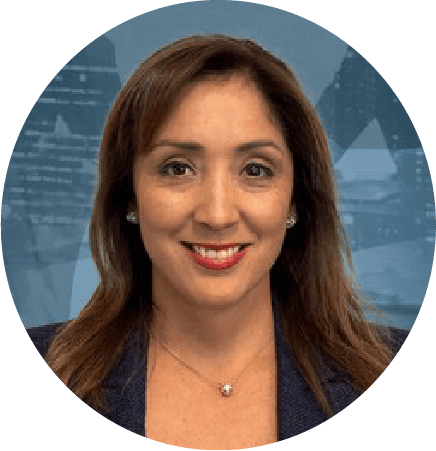
Daniel Massey brings more than 25 years of experience as an award-winning journalist, communications strategist and campaigner to Expanding ESOPs, where he is focused on building a movement to dramatically grow employee ownership. He played leading communications and strategy roles on some of the most innovative worker-organizing campaigns in recent history. His work on the Fight for $15 helped 30 million workers win raises totaling more than $200 billion. Daniel also helped win groundbreaking sector-wide bargaining opportunities for half a million fast-food workers in California and 70,000 rideshare drivers in Massachusetts and launch a first-of-its-kind, sector-wide union for service workers in the South.

His writing has appeared in The New York Times and many other outlets. And his book, Under Protest, uncovers the hidden history of South Africa’s first Black university and the role its students played in toppling apartheid. Daniel is a Phi Beta Kappa graduate of Brown University, magna cum laude, and holds master’s degrees in journalism from the Craig Newmark Graduate School of Journalism at CUNY and in history, with distinction, from the University of Fort Hare in South Africa.

Steve Storkan

Executive Director
Employee Ownership Expansion Network

Steve Storkan is the Executive Director of the Employee Ownership Expansion Network (EOX), a national nonprofit dedicated to substantially expanding employee ownership (EO) across the United States. Since launching EOX in 2019, Steve has led the expansion of the employee ownership movement from an initial 8 State Centers to a thriving national network of 25 independent organizations. Under his leadership, EOX has helped deploy millions in grant funding to State Centers to expand access to employee ownership education, outreach, direct support for business owners, and policy advocacy.

Steve brings over 25 years of experience in employee ownership, having previously served as Director of ESOP Administration at Alerus Retirement and Benefits, where he worked closely with companies to design, implement, and administer ESOPs. He also spent over a decade on the Board of the Minnesota-Dakotas Chapter of the ESOP Association, including terms as Chapter President and VP of Government Relations. Steve holds a Certified Financial Planner (CFP®) designation from Minnesota State University, Mankato.

Haydee "I-They" Caldero

Vice President
GreatBanc Trust Company

Haydee Caldero is a Vice President and Client Service Officer on the GreatBanc Client Service Team, where she is responsible for managing client relationships, providing strategic guidance, and supporting the firm’s business development efforts.

Prior to joining GreatBanc in 2025, Caldero served as a fractional CFO and COO for employee-owned companies, focused on implementing best practices to improve profitability, operational performance, and employee engagement. She has deep experience with ESOPs, having herself led a 100% employee ownership transition as Chief Operating Officer.

At GreatBanc, Caldero provides her clients with thoughtful guidance on plan-related matters, supports transactions and ongoing strategies, and helps them maximize the benefits of employee ownership.

Caldero has more than two decades of experience in executive leadership, financial management, and strategic growth across a range of industries. She sits on the boards of the National Center for Employee Ownership (NCEO) and the Illinois Employee Ownership Center (IEOC).

Ms. Caldero holds a Master of Business Administration (MBA) from Harvard Business School and Bachelor of Arts (BA) degree from Wesleyan University.

Jim Hilderbrandt

Executive Director and Wealth Advisor
J.P. Morgan Wealth Management

Jim draws from decades of industry experience across all areas of banking and wealth management to support the Jenkins | Podkulski | Alison ESOP Advisory Group by leading business strategy, practice management and educational events around the myriad benefits of Employee Stock Ownership Plans (ESOPs). Jim is passionate about 
serving business owners and helping them craft meaningful succession and wealth planning strategies that build enduring wealth, now and for the future, so that each individual can pursue their most meaningful aspirations.

In a financial services career that spans 30 years, Jim began working at a community bank while still in college, and subsequently spent more than a decade in private banking at Morgan Stanley, UBS and Wells Fargo. He is known for his strategic direction and leadership in multiple disciplines and is a trusted, caring resource for both clients and colleagues.

Jim served five years as a Senior Wealth Management Banker at UBS Financial Services, consulting with Southeast and Mid-Atlantic financial advisors on their clients’ banking and lending requirements. He joined J.P. Morgan Wealth Management in 2018 to lead the J.P. Morgan Wealth Management Lending Specialist teams, developing national strategies to expand the credit platform. He moved to his current role on the Jenkins | Podkulski | Alison ESOP Advisory Group in 2023.

Jim hails from Savannah, Georgia and spent much of his youth in a rural farming community where he learned about the importance of entrepreneurship and civic duty. He graduated from Georgia Southern University, earning a B.A. in Spanish and minoring in International Studies and Finance. 

In his free time, Jim gives back to his community by volunteering and supporting several local organizations to include the Georgia 4-H Club, Georgia 4-H Foundation and Open Hand Atlanta.

David Knight

Co-Founder and CEO
Knight Partners LLC
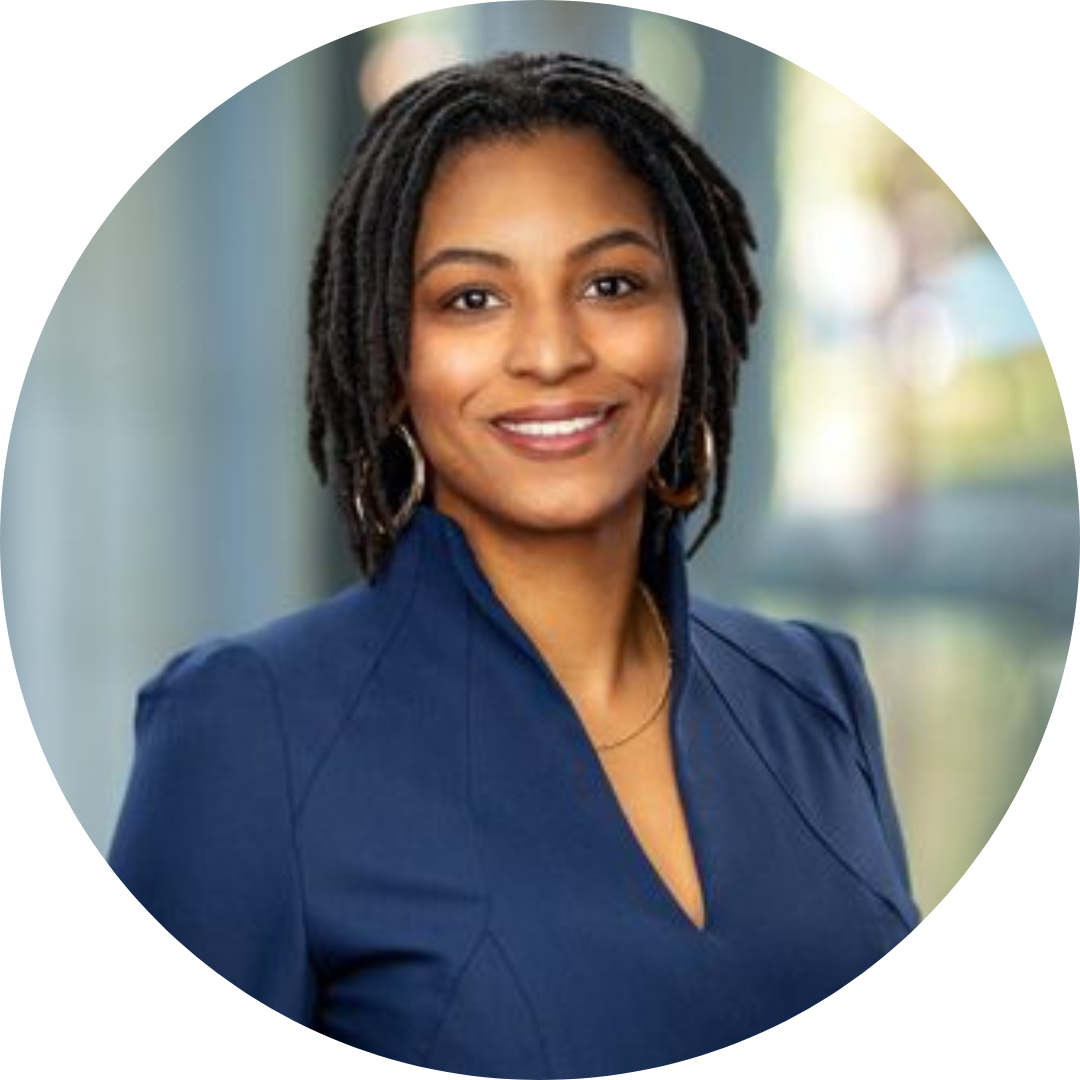
Certified Mergers & Acquisitions Professional (CMAP) and Certified Employee Ownership Advisor (CEOA). Serial entrepreneur known for development of new business segments with emphasis on sustainability and strong fiscal management. Strategic visionary with track record of innovative problem-solving in high growth and challenging environments.

Led the closing of about 300 transactions selling businesses and raising capital; 200 representing sellers selling 100% of their existing businesses; 100 raising capital selling minority equity positions in new or existing businesses.

KNIGHT PARTNERS LLC, Co-Founder, President/CEO

Services include company development strategies, business valuations, sales, mergers, consolidations, roll-ups, acquisitions and sustainability management consulting; start-up and expansion support, integrated marketing plans and other value enhancing services.

RESOURCE FIBER LLC, Co-Founder, President/CEO

Established the bamboo fiber and manufacturing industry in the U.S. to create a complementary raw material to wood and an alternative fiber for petroleum-based materials. The Company’s executives and leadership team had 100+ years of collective experience in the bamboo industry – farming, product development, manufacturing, marketing and selling bamboo products.

TERAGREN BAMBOO LLC, Co-Founder, President/CEO/CFO

[teragren.com] Co-founder Teragren Fine Bamboo Flooring, Panels & Worktops with Ann Knight. Pioneered and developed the bamboo flooring industry in the U.S. and maintained a 13-year relationship with one factory group in China; managed growth capital raises through equity and debt, and grew revenue at a rate of 20% to 40% annually over the 13-year period.

Teragren made the INC 5000 List of Fastest Growing Companies in 2009. During the Knights’ tenure Teragren was the nation’s industry leading consumer brand, setting the U.S. standard for quality bamboo building products through stringent manufacturing specifications and continuous product innovation.

Medical Dental Development Services (MDDS) Founder, President/CEO

MDDS specialized in medical practice valuations, sales, mergers and consolidations. Valued and sold medical groups primarily to publicly traded health care corporations. Only represented sellers. Focused exclusively on physical & occupational therapy practices from 1992 – 1998. Between 1987 – 1992 represented various medical specialties.

Newman Rochester

Vice President, Strategic Relationship Management
Prudential Individual Life Insurance

Newman Rochester is the Vice President, Strategic Relationship Management in the Prudential US Insurance and Retirement Strategies channel at Prudential, covering key financial institutions. He dedicates his efforts to helping financial professionals and their clients plan for retirement.
Newman, has been in the financial services industry since 2000 and joined Prudential in 2012. He brings a wealth of knowledge to his business partners, along with actionable business building ideas and time-tested strategies.

Newman has been recognized as a leader within Prudential’s sales organization and has achieved Pinnacle status one time.

Newman graduated from Montclair State University with a Bachelor’s Degree in Philosophy. He also holds an Executive MBA from the University of Connecticut where he also received an Advanced Business Certificate in International Business, MIT Executive Certificate in Strategy and Innovation and studied the insurance marketplace in China and Argentina.

Newman lives in Newtown, CT with his wife and their four children. In his spare time, Newman enjoys coaching youth in all aspects of their lives.

Issie Corvi

Director of Programs and Operations
Purpose Trust Ownership Network
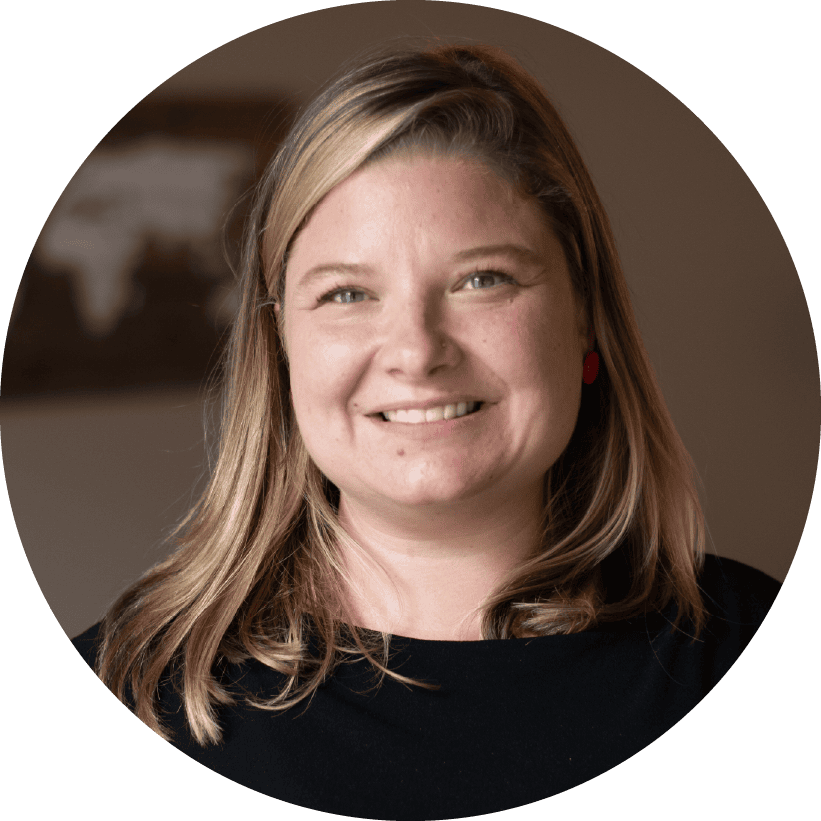
The Purpose Trust Ownership Network (PTON) is a nonprofit dedicated to supporting the growth of purpose trust ownership and employee ownership trusts in the United States. As Director of Programs and Operations, Issie Corvi is the architect behind the nonprofit’s active membership network, annual conference, and curated knowledge hub. Issie brings first-hand experience to her role, having led Local Ocean Seafoods through its transition into an employee-centered perpetual purpose trust in 2022.

Julie Ryan

Co-Founder and Managing Partner
ImpactGC
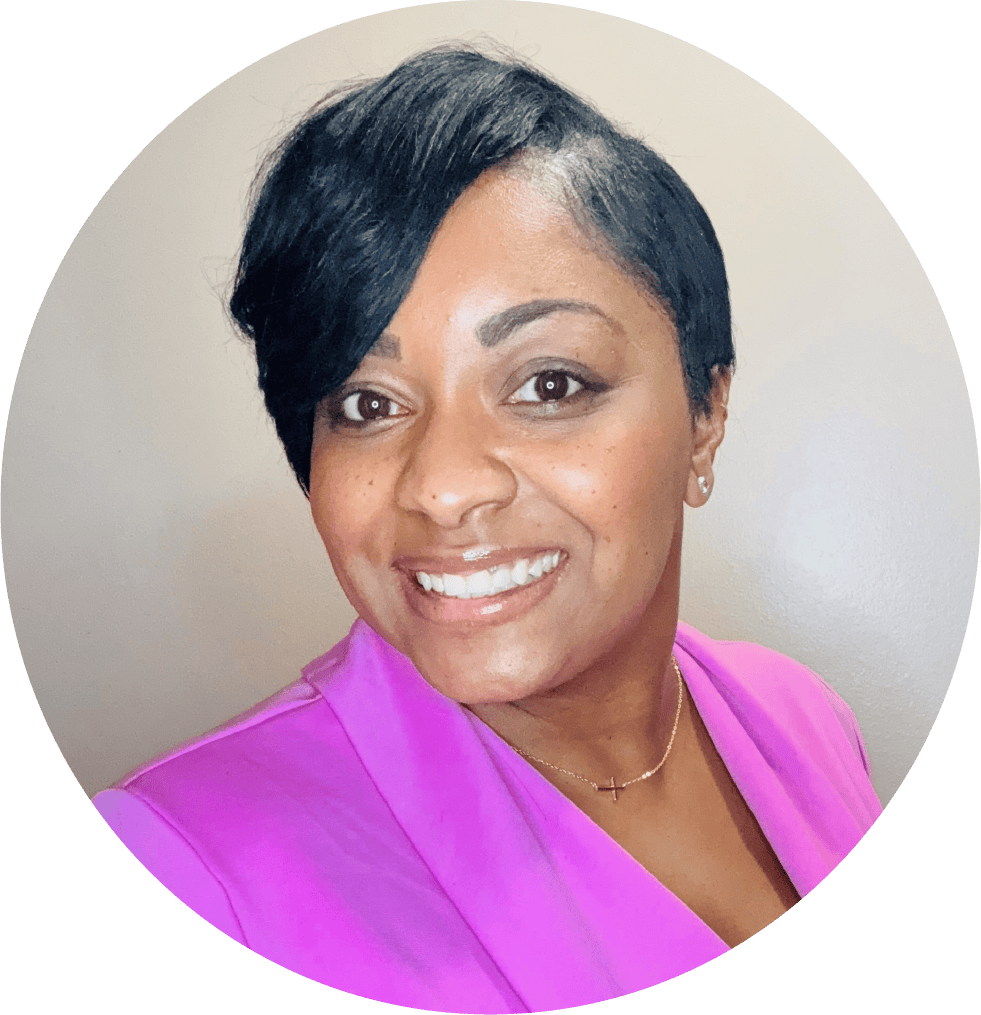
Julie Ryan is Co-Founder and Managing Partner of ImpactGC, a Washington D.C.-based B Corp law firm, where she advises impact-driven companies on international commercial transactions, corporate governance, corporate structuring, sustainability/ESG, strategic transactions/M&A, renewable energy/climate tech, public benefit company conversions, impact investing, financing, and employee ownership. She serves on the Global and North America Regional Boards for the Global Alliance of Impact Lawyers (GAIL), and on the steering committee for B Local MidAtlantic.

Portia Fields

Vice President, Blueprints to Black Wealth
Prudential Financial
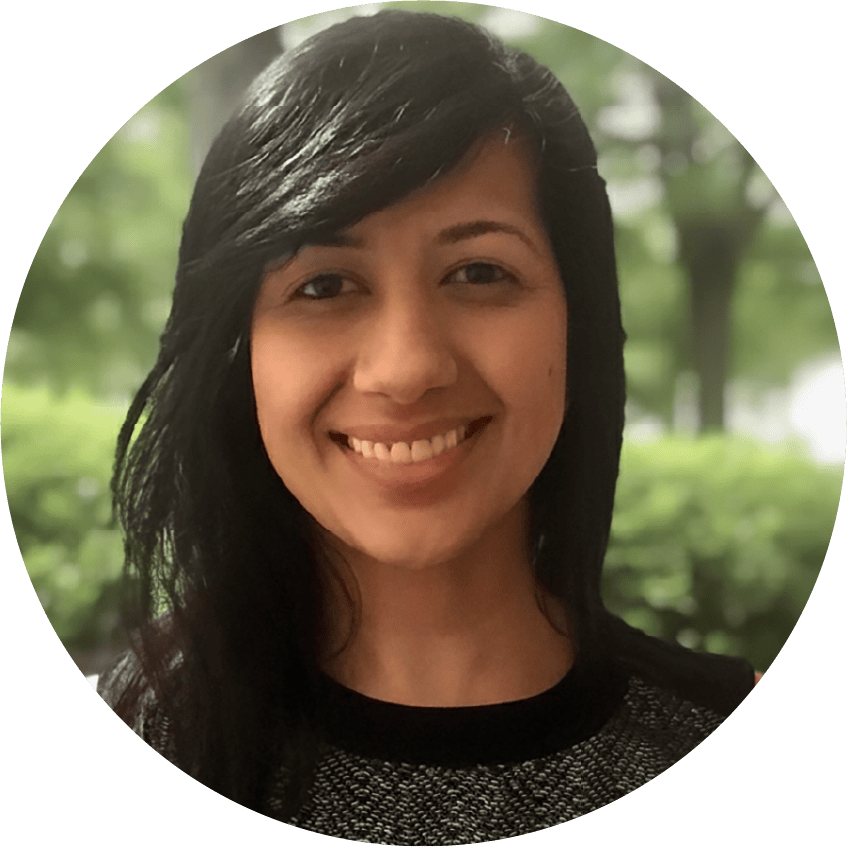
Portia Fields is a growth and business development executive with more than 15 years of experience leading enterprise strategies that drive market expansion, customer engagement, and inclusive growth across the financial services industry.

As the Vice President of Blueprints to Black Wealth at Prudential Financial, Portia leads the company’s signature shared value growth strategy designed to expand access to financial solutions among historically untapped consumers while creating sustainable business value. She is responsible for developing and executing enterprise-wide programmatic offerings that strengthen Prudential’s market position, deepen customer engagement, and accelerate growth through innovative partnerships, strategic community investments, and customer-centered solutions.

Under her leadership, Blueprints to Black Wealth has helped position Prudential as an industry leader in addressing financial access challenges through a business model that aligns commercial growth with measurable community impact. Her work focuses on identifying emerging market opportunities, creating scalable growth strategies, and fostering partnerships that advance financial empowerment while supporting the company’s long-term business objectives.

Prior to Prudential, Portia spent 13 years at JPMorgan Chase & Co., serving in a series of leadership roles across consumer banking, marketing, and corporate strategy. Most recently, she served as Head of the Black and Hispanic Consumer Segments, where she developed and implemented strategies to strengthen customer acquisition, engagement, and market presence among diverse consumer populations. Earlier, she led marketing strategy for the launch of the Harlem Community Center Branch, a historic landmark that redefined how financial institutions engage local communities. Her leadership contributed to initiatives impacting more than 20 million customers across nearly 4,900 branches in 48 states.
Portia is recognized for her ability to build high-performing cross-functional partnerships, align business and stakeholder objectives, and translate complex market insights into growth opportunities. Her expertise spans strategic planning, business development, marketing, customer engagement, partnership management, community investment, and organizational transformation.

Beyond her corporate leadership, Portia serves as Board Chair of the Africentric Professional Development Shop (APDS), a family-centered nonprofit behavioral healthcare organization dedicated to advancing individual and family well-being through mental health and substance use disorder treatment, domestic violence prevention and intervention services, and youth and young adult development programs. She also serves as a trustee and ministry leader at Mt. Olivet Baptist Church in Columbus, Ohio, where she leads strategic initiatives, retreats, and leadership development programs for women.

Portia is an alumna of the McKinsey Black Executive Leadership Program and is a lifetime member of the National Black MBA Association. She holds a Bachelor of Arts in Political Science and Spanish from The Ohio State University, as well as an MBA and Paralegal Certificate from Franklin University.

Sonali Kothari

Co-Founder
Zolidar

Zarin Kresge

Associate Director, Learning Programs
Project Equity
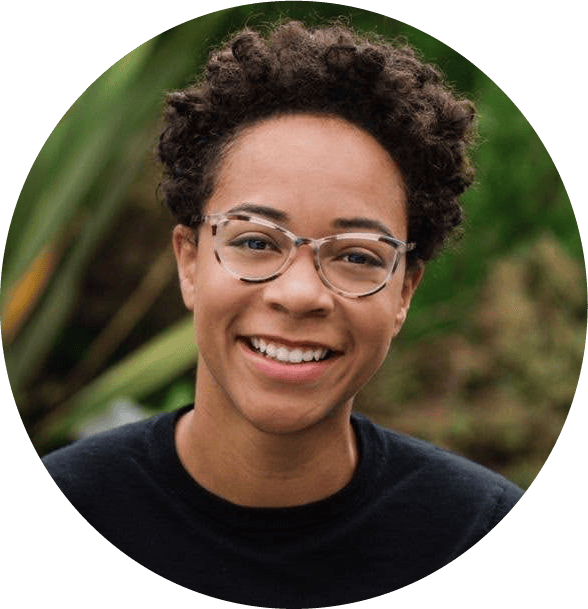
Zarin leads Project Equity’s efforts to educate business advisors on how employee ownership can strengthen businesses, support succession, and deliver greater value to clients. He previously led growth and strategy at Certified Employee-Owned, helping build national awareness of employee ownership. Zarin discovered the power of employee ownership while earning his MBA at Presidio Graduate School and serves on the board of the North Carolina Employee Ownership Center. Earlier, he led a nonprofit thrift store in San Francisco.

Emmy Allison

Strategic Partnerships
Apis & Heritage Capital Partners
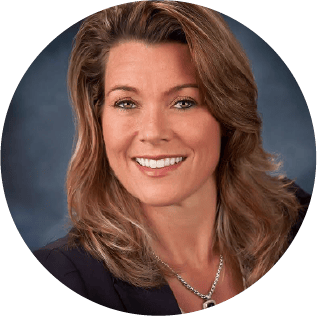
Emmy Allison leads Strategic Partnerships at Apis & Heritage Capital Partners, an investment manager financing employee ownership transitions. Through A&H’s Employee-Led Buyout model, she helps connect small and medium-sized businesses with pathways to employee ownership via ESOPs. Her work spans business, partnerships, and equitable wealth-building. Outside of work, she enjoys biking and birding in Seattle and beyond.

Regina Carls

Managing Director and Head of ESOP Advisory Group
JPMorgan Chase
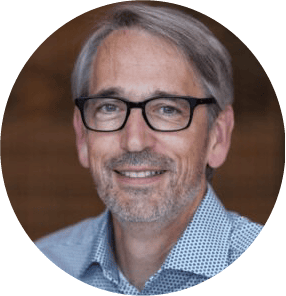
Regina Carls is a Managing Director and Head of J.P. Morgan’s ESOP Advisory Group, helping privately held companies evaluate ESOP transactions to create owner liquidity. She founded and developed the firm’s ESOP advisory practice and has more than 30 years of banking experience. Regina holds finance and MBA degrees from the University of Iowa and DePaul University and is a recognized ESOP industry expert, speaker, and advisory board member.

David Kenney

Employee Ownership Catalyst Fund Manager
Project Equity
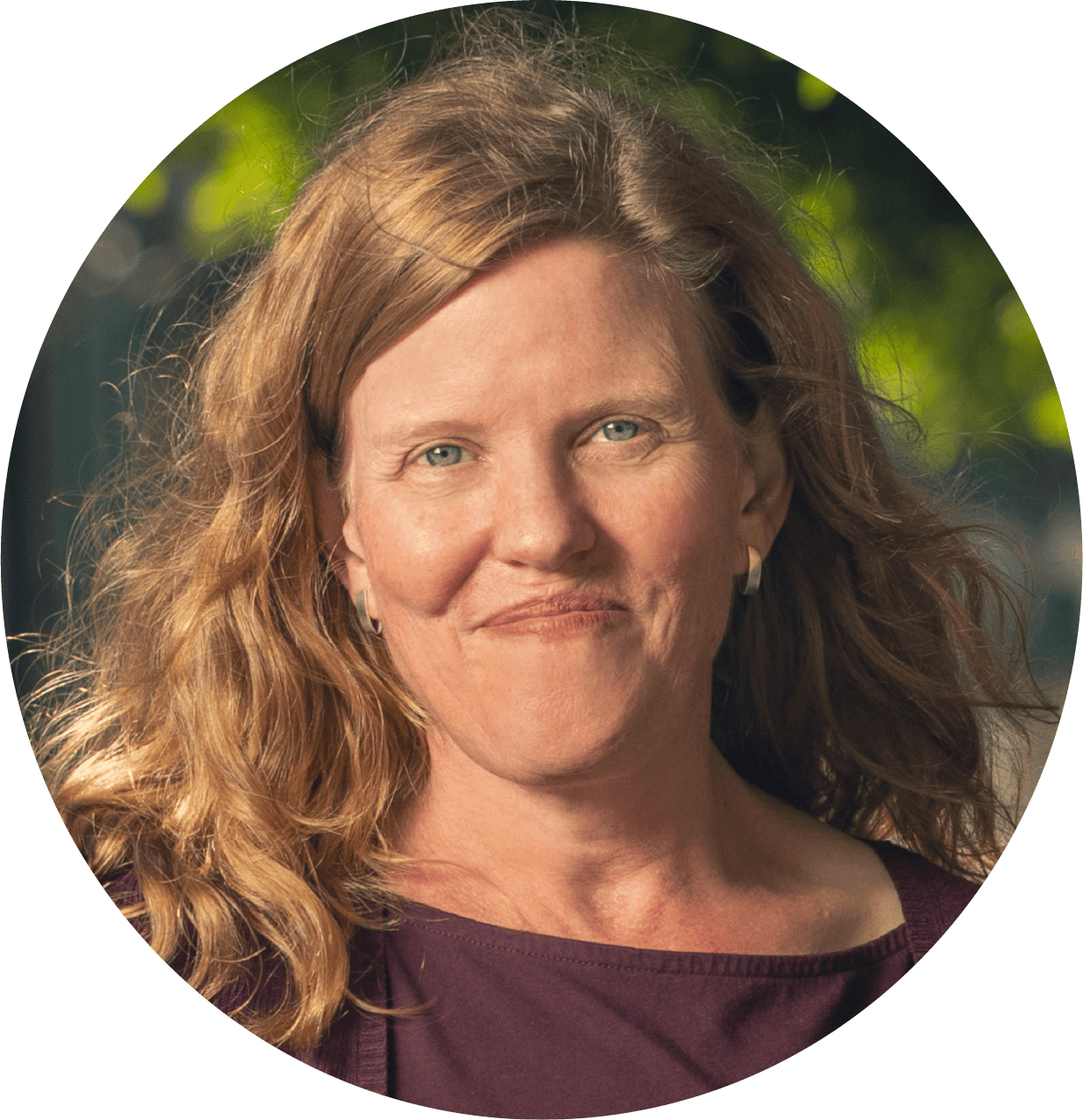
David Kenney (he/him) joins Project Equity as the manager of the Employee Ownership Catalyst Fund in partnership with Mission Driven Finance. In this role, he is responsible for the fund’s strategy, growing the fund, and deploying its capital in support of Project Equity’s employee ownership mission.

David is an experienced financial activist, nonprofit leader and economic development professional who seeks to build solutions for a transition to a just economy.

For 15 years, David built and led VertueLab, a nonprofit organization with a mission to unleash innovation and entrepreneurship to solve environmental challenges and catalyze shared economic prosperity. Focused on reversing climate change by supporting equitable climate solutions developed by innovators and entrepreneurs, VertueLab makes catalytic investments and provides support to early stage climate tech companies.

He has a passion for economic and climate justice, which he has pursued through his participation in the Just Economy Institute fellowship program and through building a strong network in financing ventures that operate outside conventional capital systems. He serves on the Collective Action for Just Finance Steering Committee, the Transformative 25 Committee and the Northwest Conservation Philanthropy Fellowship Advisory Council. David served three terms on the US Department of Commerce National Advisory Council on Innovation & Entrepreneurship (NACIE), an appointment he received from two different U.S. Secretaries of Commerce.

Previously, during twelve years at Intel Corp, David held leadership roles in finance, project management and business and organizational operations, and co-founded and led the Intel Employee Sustainability Network.

David has a BA degree from the University of Washington and an MBA and certificate in public management from Stanford University’s Graduate School of Business.

He is an angel investor and investment fund LP with a focus on BIPOC and women business founders and fund managers. David has two adult children and lives with his partner, Mariam, in Portland, Oregon. He enjoys hiking/backpacking, flatwater kayaking, watching Portland Timbers and Thorns soccer, reading and traveling.

Alison Lingane

Founder & CEO
Ownership Capital Lab

Alison Lingane is the Founder & CEO of Ownership Capital Lab, a market-building platform scaling employee ownership as a private markets strategy. The Lab builds core infrastructure for the investment ecosystem—connecting investors, fund managers, and opportunities; advancing transparency and benchmarking; and developing new capital solutions—while mobilizing investment to expand ownership, reduce wealth inequality, and strengthen small businesses and local economies. In collaboration with investors and field leaders, it developed the Employee Ownership Capital Roadmap to grow the EO investing market toward $10 billion by 2040. Previously, Alison co-founded Project Equity and founded and managed the Employee Ownership Catalyst Fund. Alison has been recognized by New Private Markets as an influencer shaping the sustainable private markets ecosystem. She is a Heinz Award recipient, Ashoka Fellow, and UC Berkeley Haas Social Impact Fellow. Alison holds a B.S. from Harvard University and an M.B.A. from the Haas School of Business.

Will Guzzardi

State Representative, Illinois’ 39th District
Assistant Majority Leader
Co-Chair, House Progressive Caucus
Housing Committee Founder

State Representative of Illinois’ 39th District. Assistant Majority Leader. Co-chair, House Progressive Caucus. Housing Committee founder. B.A., Brown Univ. ’09; former journalist and writer. Resident of Chicago’s Avondale neighborhood. Fighting for a more fair, just, and equitable Illinois for all.

Kevin Kuros

Interim Director
Massachusetts Center for Employee Ownership
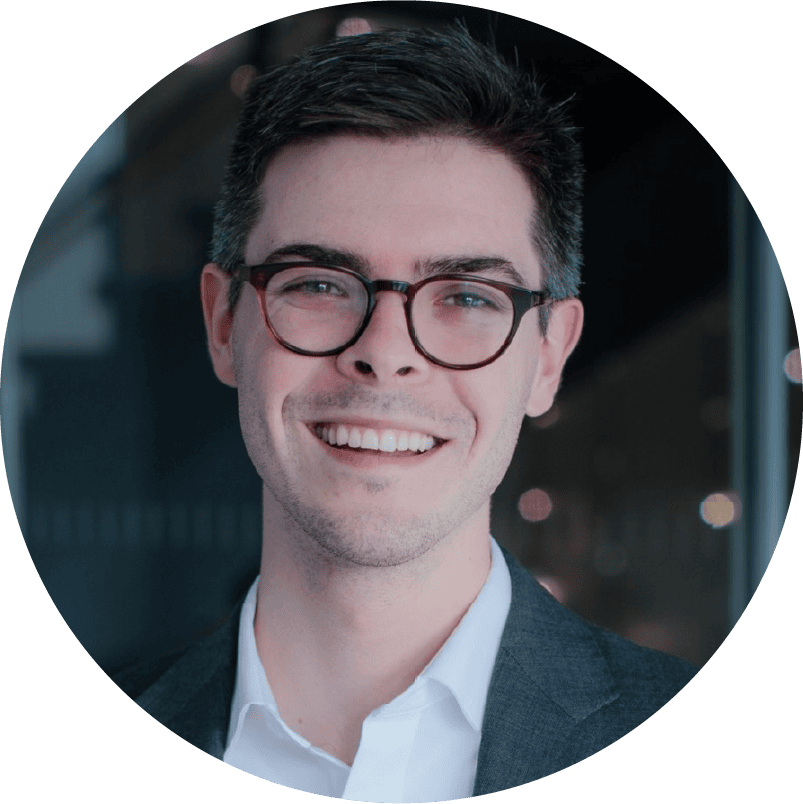
Julien Rosenbloom

Senior Associate
Lafayette Square Institute
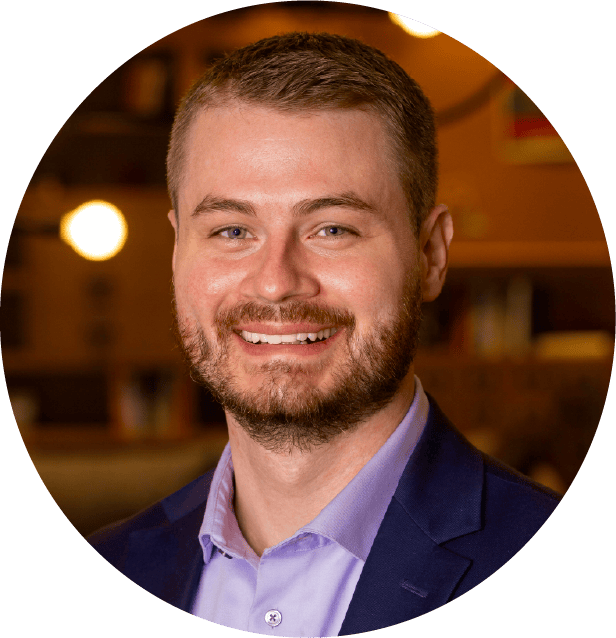
Adam Schuster

Director
Illinois Center for Employee Ownership

Adam Schuster is Executive Director of the Illinois Center for Employee Ownership (ILCEO). He previously led public policy initiatives at an Illinois think tank and served at the Illinois Department of Labor, advancing worker-focused policies. Adam specializes in coalition-building and legislative strategy, and works to expand employee ownership through state policy, business succession, and economic development initiatives.

Robert Gross

Finance Instructor
DePaul University
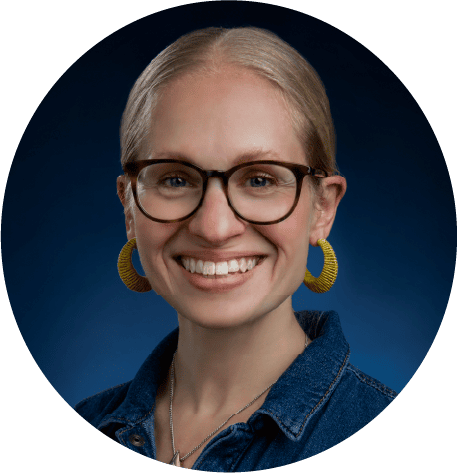
In 1996, Robert Gross co-founded Prairie Capital Advisors, an investment banking firm providing services to support the growth and ownership transition strategies of private firms. After retiring from Prairie in 2020, he remains on their Board, as well as two other firms that are manufacturers with global footprints. As part of his own transition planning, Gross initiated what turned into a new career: teaching. Since 2014, he has been an award-winning finance instructor at DePaul University.

Cat Johnson

Managing Director of Business+Impact
Michigan Ross
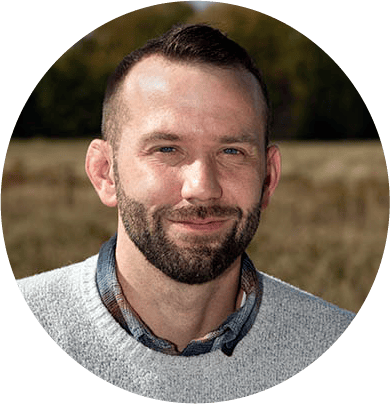
Cat Johnson is an educator, designer, and builder. She is the inaugural Managing Director of Business+Impact at Michigan Ross and leads the Ross Impact Studio, where she coaches impact ventures and teaches a course on business model design. Cat has launched and led impact organizations across a variety of industries, and prior to joining Business+Impact, she was Chief Operating Officer at Detroit-based nonprofit Empowerment Plan. Cat earned a BA and MBA/MSW from the University of Michigan.

Michael Louis Palmier

Associate Director
Ohio Employee Ownership Center

Michael Palmieri, PhD, is Associate Director of the Ohio Employee Ownership Center (OEOC) at Kent State University, where he has worked since 2018. His work focuses on business succession planning, training for employee-owned companies, and applied research on employee ownership models, including ESOPs, worker cooperatives, and employee ownership trusts. At the OEOC, he develops educational programming for companies, professional service providers, and economic development partners and assists business owners exploring employee ownership as a transition strategy. Michael holds a PhD in political science from Kent State University and is a Certified Exit Planning Advisor (CEPA) through the Exit Planning Institute. He is also a Fellow at the Rutgers Institute for the Study of Employee Ownership and Profit Sharing and hosts the Owners at Work podcast. His work has been published in peer-reviewed journals and major academic imprints, including the IEDC Economic Development Journal, Routledge, and the International Review of Applied Economics.

Joseph Wells

Director of the Master’s Programs at the Earl G. Graves School of Business
Morgan State University

Joseph I. Wells is a strategy and growth executive with more than 25 years of experience leading complex organizations across higher education, life sciences, and global financial services. He currently serves as Director of the Master’s Programs at the Earl G. Graves School of Business at Morgan State University and Executive Director of the Goldman Sachs 10,000 Small Businesses Program in Baltimore, where he oversees the strategic development and market positioning of graduate business education programs and leads a nationally recognized entrepreneurship initiative supporting the growth of regional small businesses.
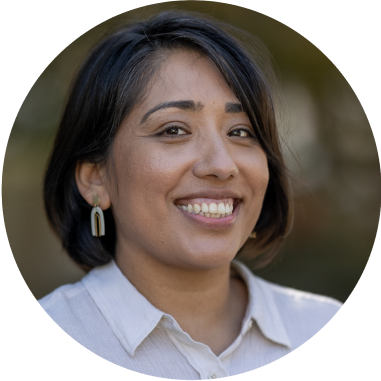
Earlier in his career, Mr. Wells held senior strategy, business development, and corporate finance roles within the life sciences sector, including positions with GlaxoSmithKline, CSL Behring, and Ikaria. His work focused on corporate strategy, mergers and acquisitions, licensing and partnership transactions, and growth initiatives in highly regulated and innovation-driven industries. He began his career in investment banking with firms including The First Boston Corporation and Merrill Lynch.

Mr. Wells holds an A.B. from Princeton University and an MBA from Harvard Business School.

Laura Flores

Senior Client Services Manager
Project Equity

Laura started her career as a community organizer and developed a passion for advancing equity and social justice. In her most recent role, she supported 10 nonprofit organizations to build operational infrastructure that drives their mission. As a Client Services Manager for Project Equity, she simplifies the process for owners to sell their business and for employees to become owners. She is an agile facilitator and capacity builder with a knack for making information accessible and engaging diverse audiences. She received her BA in Global Studies from the University of California Santa Barbara and an MBA from Mills College. She is a wannabe bookworm who enjoys a good cortado, meditating, and nurturing her creativity.

Samuel Brownell

Founder and CEO
Stratus Business Advisors
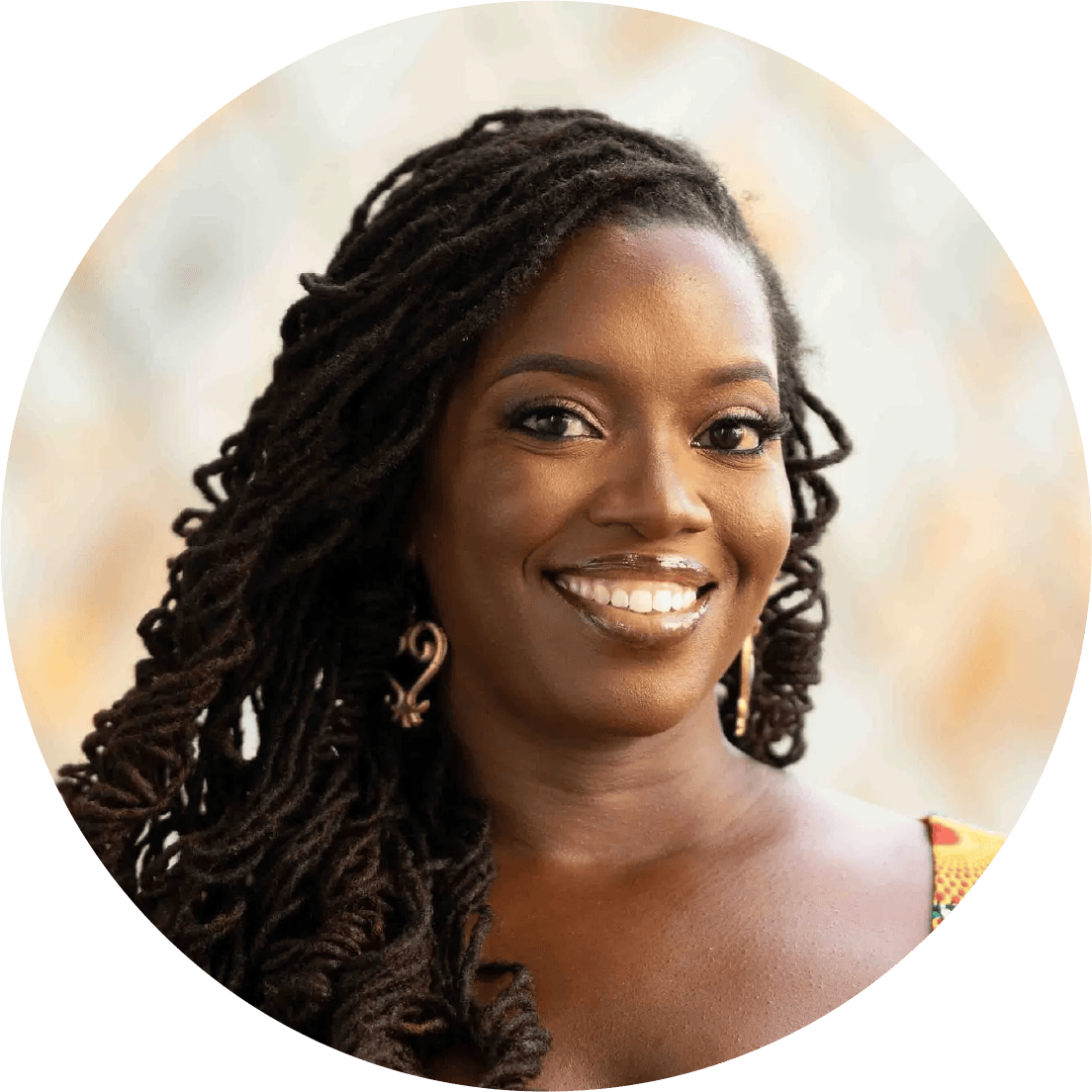
Sam Brownell, CVA, CFA, MBA, is the Founder and CEO of Stratus Business Advisors, where he specializes in business valuation, succession planning, and transition strategies for independent business owners, with deep expertise in employee ownership (EO). Since founding Stratus in 2013, Sam has worked closely with independent business owners across the country to help them understand what drives business value, prepare for ownership transitions, navigate tax and estate planning considerations, and preserve the long-term independence and sustainability of their businesses. Sam is a Certified Valuation Analyst (CVA), CFA Charter holder, and earned his BA in Economics from Loyola University Maryland and his MBA from the University of Maryland’s Robert H. Smith School of Business.

Jennifer Bryant

Senior Manager, Ecosystem Development
Project Equity
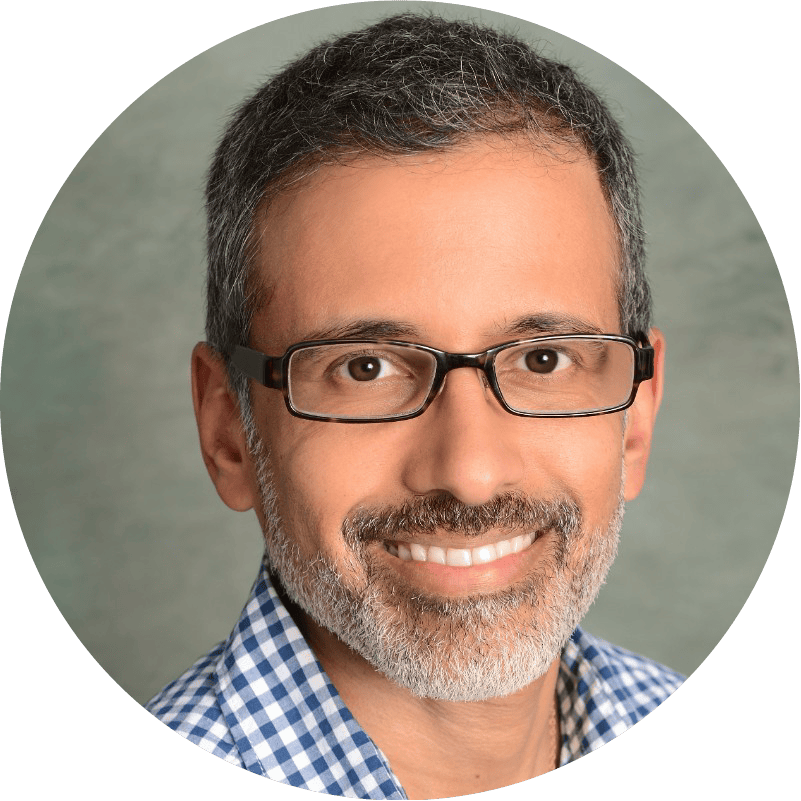
For more than a decade, Jennifer has worked at the local, regional, and national level to advance employee ownership as a wealth-building strategy for low and moderate income workers. Prior to joining the Project Equity team, she led the development and launch of the Greater Washington Center for Employee Ownership.

As the Program Manager for Ecosystem Development at Project Equity, Jennifer maps local stakeholders, does direct outreach to raise awareness of employee ownership, and organizes regional convenings.

Jennifer holds a BA from Howard University and an MA from St. John’s University. She is a 2016 Robert Wood Johnson Foundation Culture of Health Leader as well as a 2019 fellow of the Democracy at Work Institute and National League of Cities Shared Equity in Economic Development (SEED) Fellowship. In her free time, Jennifer enjoys live music, indie films and playing Wordle.

Aanand Dholakia

Program Director
The J. Willard and Alice S. Marriott Foundation
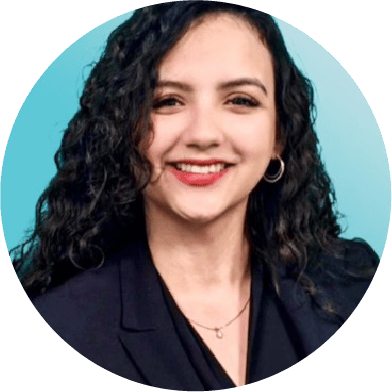
Anand leads JWASMF’s grantmaking strategy in economic mobility, affordable housing, mental health, and early childhood. His systemic approach addresses the root causes of racial and economic disparities via community leadership, innovation, collaboration, and policy. Anand’s efforts are driving D.C. regional initiatives advancing employee ownership and school-based mental wellness. Anand previously spent 15+ years consulting to dozens of philanthropic and nonprofit organizations across the country.

Paul Hazen

Executive Director
U.S. Overseas Cooperative Development Council
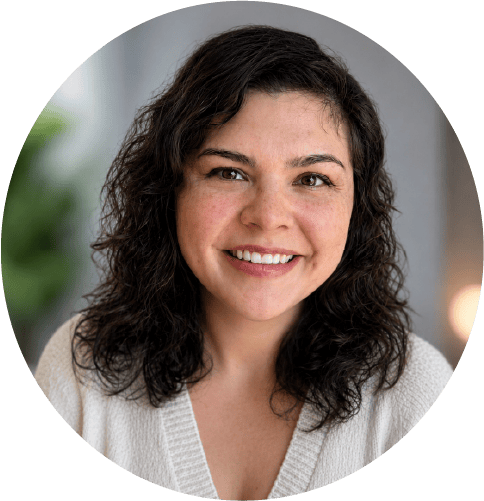
Paul Hazen became executive director of the U.S. Overseas Cooperative Development Council (OCDC) in February 2012. One of his most-recent initiatives at OCDC is the formation of its Research Group, whose mission is to research, formulate and share effective strategies for the development, performance and growth of cooperatives in developing countries. Hazen is also the leading advocate for the USAID Cooperative Development Program, which funds cooperatives in the developing world. Since Hazen joined OCDC, Congress has doubled its annual funding to $18.5 million.

Prior to joining OCDC, Hazen was CEO of Washington, D.C.-based NCBA CLUSA. Under Hazen’s leadership, NCBA’s cooperative development portfolio grew from $8 million to more than $30 million, annually. During his 25-year tenure with the organization, he held key positions, including chief operating officer, vice president of public policy, vice president of member services and director of consumer cooperatives.

Active in cooperative matters at many levels, Hazen is the one of the founders of Dot Coop, the top-level domain for cooperatives around the world. He recently led a group of faith-based organizations in Washington, D.C., to form the Community Purchasing Alliance Cooperative, which is now expanding across the nation. In 2017, Hazen was appointed chair of the Limited Equity Cooperative Task Force by the Washington, D.C., City Council. The task force’s charge is to make recommendations for how the city could expand limited-equity housing cooperatives. He also serves on the boards of the National Cooperative Bank, Capital Impact Partners and the Community Purchasing Alliance Cooperative. Past board service includes the International Co-operative Alliance, Consumer Federation of American, Cooperative Development Foundation and Cooperative Business International.

In demand for his cooperative expertise, Hazen speaks frequently at national and international forums on the role of cooperatives in community and economic development. He is a past recipient of the CEO Communicator of the Year award from the Cooperative Communicators Association.

Valerie Salazar

Co-Director
Impact Silver Spring

Valerie Salazar is a nonprofit executive and community building professional with experience spanning consular services, local county government, and almost a decade in the nonprofit sector. She believes people and communities are strongest when they are connected, trusted, and given real opportunities to shape what comes next.

Her work is grounded in the belief that people already carry knowledge and capacity, and that strong organizations should help create the conditions for both to grow. She cares about widening access to opportunity, strengthening institutions that stay close to the people they serve, and leading with both accountability and trust.

Her approach starts with recognizing what is already there, strengthening what is working, removing barriers where needed, and creating room for others to contribute meaningfully and take ownership.

Ultimately, she wants her work to strengthen what is already possible in people and communities, while helping create the conditions for that potential to endure, grow, and shape what comes next.

David Gray

David Gray

Director of Client Services
Project Equity

David Gray is the Director of Client Services at Project Equity, where he has spent many years helping businesses transition to employee ownership. His entrepreneurial experience spans founding and operating retail ventures, launching startups, and managing business development initiatives across various sectors. He also has extensive training and experience in conflict mediation and deftly facilitates difficult conversations, guiding them to creative solutions. His particular focus is on expanding innovative ownership models like Employee Ownership Trusts (EOTs) and adapting worker coops to unique situations.

Melissa Larmon

Director of Operations & Marketing
Chicago Center for Relationship Counseling
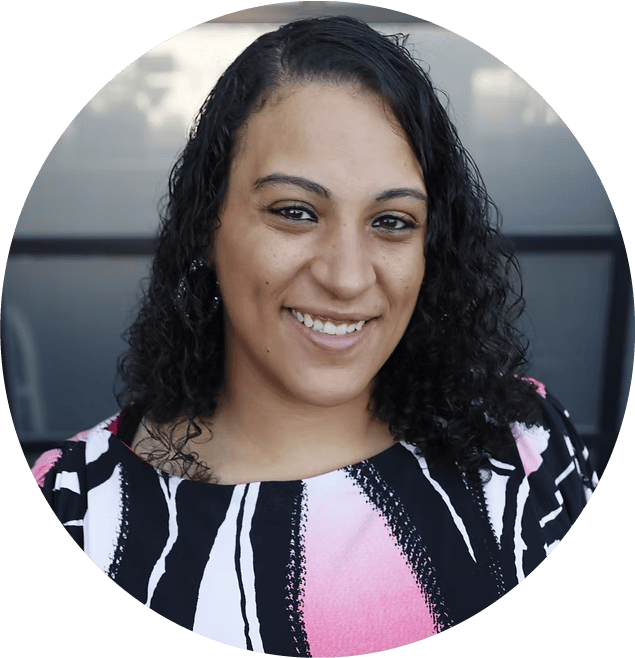
Melissa Larmon is a Therapist and Director of Operations & Marketing at Chicago Center for Relationship Counseling (CCRC). A midlife career-changer, Melissa received a Masters in Marriage & Family Therapy at Northwestern University, and joined CCRC with a goal of helping clients improve their mental and relational health, while also using her business skills to contribute to CCRC’s needs and growth. Melissa was on CCRC’s Co-Op Transition Team, and is currently President of the Co-Op Board.

Chelsea Porter

Quality Assurance Manager
Hummingbird Wholesale
Chelsea is the Quality Assurance Manager at Hummingbird Wholesale, a role she has held for 6 years. She has served on the company’s Trust Stewardship Committee as both secretary and chair, and was closely involved in Hummingbird’s transition to employee ownership in 2023. She speaks from firsthand experience about what it’s like to work at, and help steward, an employee-owned company.

Krystal Thompson

Senior Software Solutions Advisor
Advisors for Change

Krystal Thompson is a worker-owner and Senior Software Solutions Advisor at Advisors for Change, a worker-owned cooperative providing transformational financial management and accounting services to nonprofit organizations across the country.

Krystal helps nonprofit leaders build financial systems that create clarity, strengthen decision-making, and empower teams to confidently own their work long after implementation. As a worker-owner, she has experienced firsthand how employee ownership transforms the way people show up, for their colleagues, their clients, and their communities. Ownership has deepened her commitment to shared leadership, continuous learning, and building workplaces where every voice has the opportunity to shape the future.

An emerging national voice in the employee ownership movement, Krystal has spoken at the Aspen Institute’s 2026 Employee Ownership Ideas Forum and other industry events, sharing practical insights on worker ownership, cooperative governance, and creating workplaces where people don’t just have a job, but they also have a genuine stake in what they’re building together.

Abran Villegas

Managing Director of Business+Impact
Michigan Ross

Abran Villegas helps Owners monetize their life-long work through Employee Stock Ownership Plans. He helps Employees realize their dreams through a new source of income.

Villegas has spent the last 23 years providing value-add to clients in the areas of underwriting, capital structures, working capital management, private equity, and treasury management. Particular areas of expertise include ESOP’s, renewable energy, opportunity zones, contractors, food service industry, and non-profits.